





Choosing an EPS pre expander machine can feel like dating apps for foam: endless profiles, confusing specs, and you still worry you’ll swipe right on the one that eats your budget and blows your energy bill.
This guide cuts the drama by comparing capacity, energy use, automation, and safety, so you match the right machine to your factory—not your fears. For solid benchmarks on energy‑efficient foam processing, see this IEA industrial energy efficiency report.
✅ Key EPS Pre Expander Features and Technical Specifications for 2026 Buyers
When buying an EPS pre expander machine in 2026, focus on speed, density range, energy use, and automation level. These factors shape product quality and long-term cost.
Modern systems also support precise steam control, smart sensors, and data tracking. Compare models carefully so the machine matches your foam grades, plant layout, and growth plans.
1. Core Technical Parameters
Check expandable density range, batch size, and steam pressure. These values decide how flexibly you can serve packaging, insulation, and custom EPS applications.
- Density range: typically 8–40 kg/m³
- Steam pressure: stable, adjustable, low fluctuation
- Batch or continuous capacity: sized to your peak demand
2. Automation and Control Systems
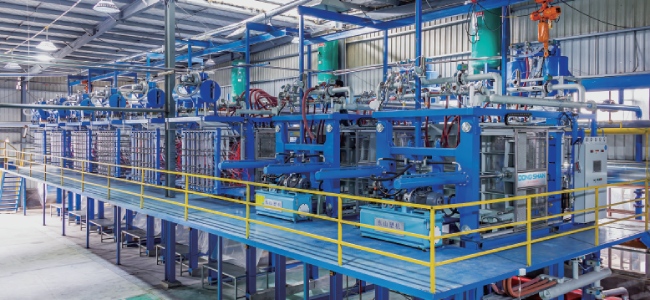
Automation reduces errors and improves consistency. An EPS Intelligent Automatic Pre-Expander with Precise Material Control helps keep density and moisture within tight limits for each batch.
- PLC or industrial PC with touch screen
- Recipe storage for different EPS grades
- Automatic alarms and trend records
3. Energy Efficiency and Environmental Design
High steam efficiency and recovery lower running cost. Look for insulation, condensate return, and optimized valves to cut waste and emissions.
| Design Feature | Benefit |
|---|---|
| Insulated vessel | Less heat loss |
| Steam flow control | Lower energy use |
| Condensate recovery | Reduced boiler load |
4. Machine Configuration Options
Select between batch machines, vacuum systems, or continuous lines. An Industrial EPS Continuous Pre-Expander System suits large plants that need steady, high output with less manual handling.
- Batch pre expanders for flexible orders
- Continuous pre expanders for high volume
- Vacuum models for ultra-low density foam
⚙️ Understanding Working Principles and Process Flow of EPS Pre Expander Machines
EPS pre expanders heat raw beads with steam, expand them to target density, then stabilize them. Correct process control keeps beads uniform and reduces waste.
From feeding to aging, each step matters. Good machines keep pressure, steam time, and cooling stable so you get repeatable foam quality every shift.
1. Step-by-Step Process Flow
The basic flow includes feeding, preheating, expansion, dewatering, drying, and aging. Each phase shapes final bead structure and mold performance.
- Feed silo → weighing → pre expander
- Steam expansion → fluidized drying
- Transfer to silos for aging
2. Steam and Pressure Control
Stable steam and pressure are vital for tight density control. An EPS Vacuum Pre-Expander with Precision Pressure Control helps keep cell structure fine and uniform.
| Control Point | Impact |
|---|---|
| Steam pressure | Expansion rate |
| Cycle time | Density consistency |
| Vacuum level | Low-density capability |
3. Cooling, Drying, and Aging
After expansion, beads must cool and dry so they do not clump. Proper aging lets internal gas balance, which improves molding and reduces defects.
- Fluidized bed or vibrating cooler
- Airflow to remove surface moisture
- Multiple silos for batch rotation
4. Data Monitoring and Quality Feedback
Real-time data helps you improve recipes. By tracking steam, density, and throughput, you can correct problems fast and support ISO-level quality systems.
📊 Capacity Planning, Energy Consumption, and Cost Control for EPS Production
Plan EPS capacity around peak demand, shift patterns, and future growth. Proper sizing avoids lost orders and prevents over-investment in idle machines.
Track energy and labor costs closely. Small gains in steam efficiency or automation can cut total part cost and improve price competitiveness.
1. Sizing the Pre Expander to Your Market
Match hourly output to your molding machines and insulation or packaging orders. Allow safety margin for seasonal and new project peaks.
| Plant Type | Recommended Capacity |
|---|---|
| Small job shop | 10–20 m³/h |
| Medium factory | 30–50 m³/h |
| Large plant | 60+ m³/h |
2. Reducing Steam and Power Consumption
Use good insulation, optimized steam valves, and well-tuned recipes. Monitor steam per cubic meter as a key performance index in daily reviews.
- Keep steam traps in good condition
- Check boiler parameters often
- Use automatic density control to avoid over-expansion
3. Total Cost of Ownership in 2026
Look beyond purchase price. Consider spare parts, downtime, labor, and energy. A more efficient machine can pay back faster through lower yearly costs.
- Initial investment
- Annual maintenance and parts
- Energy and labor per ton EPS
🧩 Installation, Maintenance, and Safety Guidelines for Long-Term Stable Operation
Proper installation and routine care keep your EPS pre expander running smoothly. Plan layout, utilities, and safety spaces before equipment arrives.
Regular checks on valves, sensors, and safety devices prevent unexpected stops and reduce scrap. Train operators clearly on risks and safe steps.
1. Site Preparation and Installation
Provide strong foundations, clean steam supply, and enough height for silos. Ensure safe access for inspection and repair around the full machine.
- Check floor load and anchoring points
- Route steam, air, and power neatly
- Leave space for future expansion
2. Routine Maintenance Plan
Create a simple, visual maintenance schedule. Combine daily checks with weekly and monthly tasks to keep performance stable and avoid sudden failures.
| Frequency | Key Tasks |
|---|---|
| Daily | Check leaks, alarms, density |
| Weekly | Clean filters, test valves |
| Monthly | Inspect sensors, lubrication |
3. Safety for Steam, Pressure, and Handling
Steam and moving parts can be dangerous. Use guards, pressure relief valves, and clear warning signs. Train staff to follow lockout rules strictly.
- Provide PPE and safety training
- Test safety valves regularly
- Keep emergency stops accessible
🏭 Why Dongshan Plastic Machinery Is the Reliable Choice for Your EPS Line
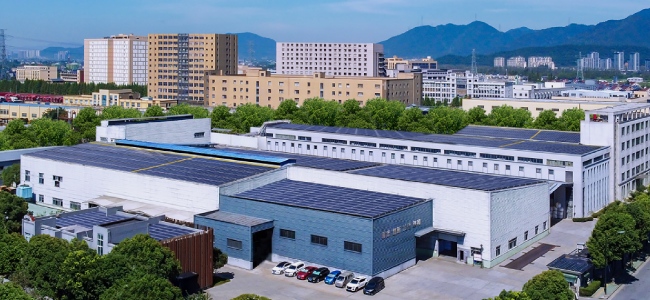
Dongshan Plastic Machinery offers pre expanders designed for 2026 demands, combining smart controls, energy savings, and stable quality for long-term plant success.
From design to after-sales service, Dongshan supports your whole EPS line, helping you cut costs and deliver reliable foam products to your customers.
1. Proven Technology and Custom Solutions
Dongshan provides tailored systems for packaging, building insulation, and specialty EPS. Engineers help match equipment size and options to your exact needs.
- Wide density ranges and capacity options
- Support for batch and continuous lines
- Integration with existing silos and molding
2. Focus on Energy Saving and Automation
Advanced control platforms and optimized steam systems help lower energy use. This improves profit and supports stricter energy and emission standards.
| Benefit | Result |
|---|---|
| Smart automation | Less manual error |
| Efficient steam use | Lower operating cost |
| Stable density | Fewer rejects |
3. Global Service and Long-Term Support
Dongshan offers installation guidance, spare parts, and remote support. This reduces downtime and keeps your EPS pre expander ready for future upgrades.
- Technical support in setup and training
- Fast supply of wear parts
- Upgrade paths for software and controls
Conclusion
Choosing an EPS pre expander machine in 2026 means balancing capacity, energy, and automation with your market goals. Study density range, steam control, and layout needs before investing.
Work closely with a trusted supplier like Dongshan Plastic Machinery to design a full line. With proper installation and care, your machine will support stable, profitable EPS production.
Frequently Asked Questions about eps pre expander machine
1. What is an EPS pre expander machine?
An EPS pre expander heats raw EPS beads with steam so they expand to a set density. The expanded beads then age and go to molding machines.
2. How do I select the right capacity?
Calculate your total daily molded volume, then size the pre expander to cover this in one or two shifts, with extra margin for peak orders.
3. Why is density control so important?
Density affects strength, insulation, weight, and cost. Tight control reduces rejects, improves molding stability, and helps you meet customer specifications consistently.
4. What maintenance does a pre expander require?
You should inspect steam lines, valves, sensors, and moving parts regularly. Clean filters, check for leaks, and calibrate density control as scheduled.
5. How long does installation usually take?
For a standard system, mechanical and electrical installation often takes one to three weeks, depending on plant layout, utilities, and automation level.

 Privacy settings