





Pre expander acting like a moody popcorn machine—too dense one day, too fluffy the next? EPS beads clumping, steam wasting, and operators blaming “the settings” like it’s some mysterious wizard’s curse?
This guide simplifies pre expander operation so you hit target density, save steam, and stabilize quality. Backed by process control principles from Industrial EPS Processing Research, you’ll tune parameters with confidence, not guesswork.
• ⚙️ Basic Principles of EPS Bead Pre Expansion and Steam Control
EPS pre expansion heats raw beads with steam so pentane gas expands, lowering density. Stable steam, air flow, and cooling give uniform, high‑quality EPS beads.
By adjusting steam pressure, time, and ventilation, operators control final bead size, cell structure, and moisture for molding and storage performance.
1. EPS Bead Structure and Expansion Behavior
Each EPS bead holds pentane and air inside a closed cell. When heated, the gas expands and softens the bead, which grows several times its original volume.
- Typical first expansion density: 12–30 kg/m³
- Multiple expansions possible for lower densities
- Uniform bead size improves molding stability
2. Role of Steam Temperature and Pressure
Steam must reach the softening point of EPS but not overheat it. Operators tune pressure to get fast, uniform expansion without bead fusion or collapse.
| Parameter | Typical Range | Effect |
|---|---|---|
| Steam Pressure | 0.4–0.8 MPa | Controls heating rate |
| Steam Temperature | 110–140°C | Sets expansion speed |
| Steam Time | 30–180 s | Impacts final density |
3. Pre-Filling, Agitation, and Bead Flow
Correct filling level and steady agitation ensure even heating. Good bead mixing prevents hot spots, sticking, and density variations between batches.
- Keep filling below design maximum
- Use stable agitator speed
- Avoid long hold times before steaming
4. Cooling, Aging, and Moisture Control
After expansion, beads must cool and age so pentane and air rebalance. Proper drying prevents clumping, warping, or steam waste in later molding.
- Use fluidized bed or silo aeration
- Typical aging: 6–24 hours
- Target stable, low surface moisture
• 🔧 Key Components of a Pre Expander and Their Working Functions
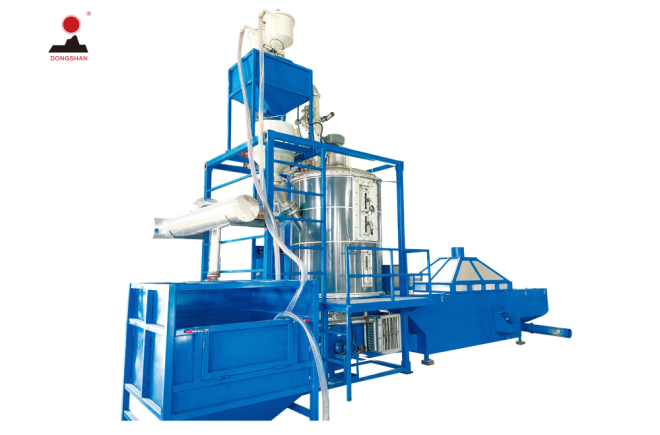
A modern pre expander combines precise material feeding, controlled steam injection, accurate weighing, and stable discharge for repeatable EPS density and high throughput.
Smart units like the EPS Intelligent Automatic Pre-Expander with Precise Material Control offer automated dosing and real-time monitoring, cutting material waste and manual adjustment.
1. Feed System and Level Control
The feed system meters raw beads into the expansion chamber and keeps a steady level. This consistency supports stable steam contact and even expansion.
- Automatic loaders and hoppers
- Level sensors to prevent overfill
- Smooth, low-damage bead transport
2. Expansion Chamber and Agitator
The chamber receives beads and steam, while the agitator mixes them. Its design affects contact time, uniform heating, and final density range.
| Feature | Benefit |
|---|---|
| Insulated wall | Reduces heat loss |
| Robust agitator | Prevents bead sticking |
| Optimized geometry | Improves steam distribution |
3. Steam, Air, and Venting Circuit
Valves, regulators, and vents manage steam pressure and airflow. Balanced steam and air avoid wet beads, fusion, or uneven internal cell pressure.
- Steam filter and trap for dry steam
- Pressure regulator for stable supply
- Vent ports for gas and moisture removal
4. Weighing, Discharge, and Control System
Load cells, discharge valves, and PLC control density and batch size. Operators monitor trends and fine-tune settings for better quality and yield.
| Control Element | Main Function |
|---|---|
| Load cell | Measures expanded bead mass |
| Discharge valve | Releases beads at set density |
| PLC/HMI | Stores recipes and alarms |
• 📊 Setting Process Parameters: Temperature, Pressure, Density, and Cycle Time
Correct process parameters keep EPS density stable, protect product strength, and avoid energy waste. Use recipes but keep room for on-site fine-tuning.
Track input density, material grade, and climate conditions to adjust steam, time, and aging for each production run.
1. Tuning Steam Temperature and Pressure
Start with supplier recommendations, then adjust in small steps. Watch bead surface, density, and fusion behavior to avoid overheating or under expansion.
- Increase pressure for faster, deeper heating
- Lower pressure if beads deform or fuse
- Record optimal values for each EPS grade
2. Controlling Density and Uniformity
Density control depends on steam time, chamber load, and discharge point. Use frequent checks and automatic weighing to keep deviations low.
| Action | Effect on Density |
|---|---|
| Longer steam time | Lower density |
| Higher filling level | Higher density |
| Earlier discharge | Higher density |
3. Managing Cycle Time and Throughput
Cycle time includes feeding, heating, stabilization, and discharge. Cut idle time, but keep enough rest for uniform cell structure and safe venting.
- Balance speed and target density
- Use automatic recipes per product
- Check that cooling and aging capacity match output
• 🛡️ Safety Measures, Maintenance Routines, and Common Fault Troubleshooting
EPS pre expanders use steam, gas, and moving parts, so safety and regular maintenance are essential. Good routines also reduce unplanned downtime.
Train operators to spot early warning signs, follow lockout rules, and log every process change and failure event.
1. Safety Guidelines for Steam and Pentane
Keep steam lines, valves, and sensors in top condition. Manage pentane with proper ventilation and grounding to reduce fire and explosion risk.
- Check pressure relief valves often
- Use gas detection in risk zones
- Maintain clear emergency procedures
2. Preventive Maintenance Schedule
Plan daily, weekly, and monthly checks. Clean, lubricate, and calibrate parts before they fail, especially in heavily used pre expanders.
| Interval | Key Tasks |
|---|---|
| Daily | Clean filters, check leaks, inspect agitator |
| Weekly | Test sensors, valves, and alarms |
| Monthly | Calibrate load cells, review steam system |
3. Diagnosing and Fixing Typical Problems
Many issues show up as density drift, wet beads, or incomplete expansion. Systematic checks speed up diagnosis and cut scrap.
- Low expansion: verify steam pressure and time
- Wet beads: inspect drainage and venting
- Inconsistent density: review feed level and agitation
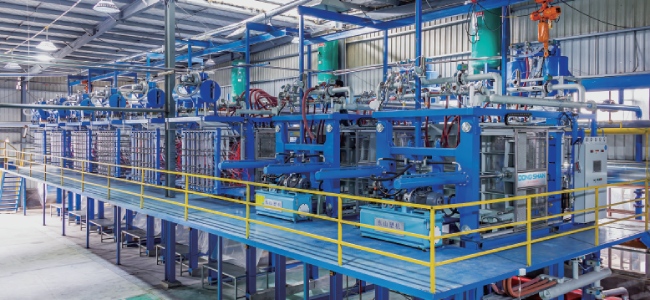
• 🏭 Optimizing Production Lines with Dongshan Plastic Machinery Pre Expanders
Dongshan Plastic Machinery offers advanced pre expanders that reduce energy use, improve density control, and integrate smoothly into modern EPS lines.
Choosing the right model and automation level helps you match capacity, labor skill, and product mix while keeping costs under control.
1. High-Capacity Continuous Systems
The Industrial EPS Continuous Pre-Expander System suits large plants that need stable, high output with tight density control and reduced handling steps.
- Continuous feeding and discharge
- Lower manpower per ton of EPS
- Good match for big block-molding lines
2. Flexible Automatic Batch Pre Expanders
The Intelligent EPS Automatic Batch Pre-Expander is ideal for varied orders, allowing fast recipe changes and accurate density control per batch.
| Advantage | Production Result |
|---|---|
| Recipe storage | Quick grade and density switch |
| Smart control | Less operator error |
| Batch tracking | Better quality records |
3. Data, Integration, and Long-Term Efficiency
Modern Dongshan systems support data logging and remote support. Plants can track steam use, density trends, and downtime to drive continuous improvement.
- Connect with ERP or MES systems
- Use dashboards for quick checks
- Plan upgrades based on hard data
Conclusion
Stable EPS pre expansion depends on solid process understanding, reliable equipment, and disciplined operation. When you control steam, density, and aging, you gain predictable product quality.
By combining trained staff with modern Dongshan Plastic Machinery pre expanders, plants can cut waste, improve safety, and raise throughput across the full EPS production line.
Frequently Asked Questions about pre expander
1. What is an EPS pre expander?
An EPS pre expander is a machine that heats raw EPS beads with steam, causing them to expand and lower in density before molding into final parts.
2. Why is density control so important?
Density affects strength, insulation, and material cost. Good density control keeps product performance stable and reduces both bead waste and steam consumption.
3. How long should EPS beads age after pre expansion?
Most beads need 6–24 hours of aging, depending on grade and density. Aging lets gas balance inside beads and improves molding stability.
4. What are common signs of poor pre expansion?
Typical signs are density variation, wet or sticky beads, surface defects after molding, high scrap rates, and frequent steam or feed adjustments.
5. How often should I service a pre expander?
Do daily visual checks, weekly function tests, and monthly calibration of key instruments. Follow the maker’s manual and log all maintenance actions.

 Privacy settings