





Choosing an EPS pre expander can feel like dating machinery: too big, too small, too noisy, too pricey—nothing seems “just right,” and your production line is starting to judge your commitment.
This guide makes selection simple, matching machine capacity, energy use, and automation with your factory’s real needs—backed by data from IEA’s Energy Efficiency 2023 report so you invest once, and wisely.
1. ⚙️ Understanding EPS pre expander working principles and key performance indicators
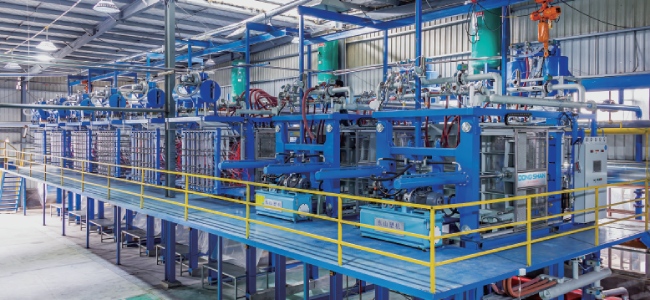
Choosing the right EPS pre expander starts with knowing how steam, air, and control systems expand raw beads into stable, uniform foam with predictable density.
Focus on clear performance data, simple operation, and accurate control. These factors reduce waste, improve bead quality, and support long-term, efficient factory operation.
1.1 EPS pre expander working process in simple steps
The machine feeds raw EPS beads, heats them with steam, and controls expansion by time, temperature, and pressure to reach the target bulk density.
- Bead feeding and weighing
- Steam heating and expansion
- Fluidized drying and stabilization
- Discharge and storage for molding
1.2 Key indicators: density, stability, and cycle time
Check how tightly the machine holds density, how repeatable each batch is, and how long a full cycle takes at your target production rate.
| Indicator | Target |
|---|---|
| Bulk density tolerance | ±1–2 g/L |
| Batch repeatability | High consistency |
| Cycle time | Short and stable |
1.3 Control system and automation level
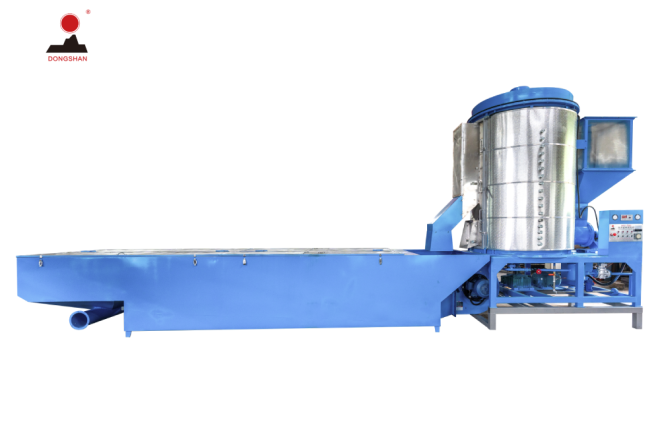
Modern control systems help operators track recipes, alarms, and trends. A Fully Automatic EPS Pre-Foaming Machine High Efficiency Intelligent Model can cut manual errors and improve quality.
- PLC and touch screen HMI
- Recipe storage and recall
- Automatic density correction
- Remote monitoring options
1.4 Safety, reliability, and compliance
Ensure the EPS pre expander meets local safety codes and offers reliable protection on steam, pressure, and temperature, with easy-to-inspect parts and clear documentation.
- Pressure relief and interlocks
- Certified valves and fittings
- Emergency stop and alarms
- Maintenance and safety manuals
2. 📏 Matching pre expander capacity to factory scale and production planning
Capacity planning should balance current demand with future growth. Select a pre expander that matches peak volume while leaving safe room for expansion.
Use realistic shift data, product mix, and density needs. This helps size silo storage, steam supply, and molding capacity around the chosen machine.
2.1 Calculating hourly and daily output needs
Work back from finished EPS products to bead consumption per hour, considering density and scrap. Choose a machine that can handle real peak loads.
| Factory Type | Target Output (m³/day) | Suggested Pre Expander Size |
|---|---|---|
| Small | 80–120 | Single medium machine |
| Medium | 200–350 | One large or two medium |
| Large | 400+ | Two large lines |
2.2 Visualizing capacity with bar chart data
The chart below compares planned capacity with actual usage to help assess whether you need one or multiple pre expanders for stable scheduling.
2.3 Batch vs continuous operation strategy
Decide whether you run a few large batches or many small ones. An Intelligent EPS Automatic Batch Pre-Expander fits plants that need flexible batch sizes and multiple product types.
- Batch mode: easier recipe changes
- Continuous mode: higher throughput
- Hybrid scheduling for busy seasons
2.4 Integration with molding, silos, and logistics
Align pre expander capacity with block and shape molding, storage silos, and packing lines to avoid bottlenecks and reduce waiting or double handling.
- Check silo volume vs batch size
- Match bead aging time and shifts
- Plan forklift and conveying routes
3. 🌡️ Evaluating steam, air, and energy efficiency for stable bead quality
Efficient steam and air control lower costs and keep bead size and density stable across shifts, seasons, and different raw materials.
Look closely at valves, piping, insulation, and automation. Good energy design reduces fuel bills and supports consistent molding performance.
3.1 Steam system control and insulation
Stable steam pressure and good insulation ensure even bead expansion. Poorly controlled steam causes density swings, wet beads, and higher rework.
- Automatic pressure and temperature control
- Insulated lines and headers
- Condensate recovery where possible
3.2 Air flow, drying, and ventilation
Proper air flow dries beads, removes pentane safely, and prevents clumping. Adjustable air fans and filters help keep conditions stable year-round.
| Parameter | Effect |
|---|---|
| Air volume | Drying speed and bead movement |
| Air temperature | Residual moisture level |
| Ventilation | Safety and odor control |
3.3 Energy-saving features and vacuum expansion
Energy-saving controls cut steam and power use. An EPS Vacuum Pre-Expander with Precision Pressure Control can reach low densities with better uniformity and lower stress on beads.
- PID control for steam valves
- Heat recovery options
- Vacuum-assisted low-density expansion
4. 🧪 Ensuring material compatibility, density range, and process flexibility requirements
Your EPS pre expander should handle different bead grades, add-ons, and density targets without long changeover times or unstable quality.
Flexible machines support both packaging and insulation products, allowing rapid market or product changes with minimal downtime.
4.1 Compatible EPS grades and special additives
Confirm the machine handles standard, fire-retardant, and recycled blends. Check how it performs with various bead sizes and coating or color needs.
- Standard white EPS
- Flame-retardant grades
- Regrind and recycled blends
4.2 Density range and control accuracy
Define your density window, from very light insulation to higher-density packaging. Make sure the machine stays accurate at both low and high ends.
| Application | Typical Density (g/L) |
|---|---|
| Roof insulation | 8–12 |
| Block for cutting | 12–18 |
| Protective packaging | 18–25 |
4.3 Changeover speed and recipe management
Fast, clean changeovers let you run many SKUs without long stops. Recipe-based control and clear screens help operators stay consistent.
- Stored recipes for densities and grades
- Guided cleaning and purge steps
- Short setup time between products
5. 🏭 Why Dongshan Plastic Machinery suits long-term operation, maintenance, and upgrades
Long-term value depends on uptime, spare parts support, and the ability to scale or upgrade controls as your factory grows.
Dongshan Plastic Machinery designs EPS pre expanders for stable daily use, easy service, and integrated digital control options.
5.1 Robust design and proven components
Heavy-duty construction, quality valves, and branded electrical parts reduce failures. This keeps your line running and protects each batch’s consistency.
- Thick steel vessels and frames
- Reliable sensors and instruments
- International-standard components
5.2 Maintenance, training, and documentation
Clear manuals, training support, and planned maintenance schedules help your team operate and service the equipment safely and efficiently.
| Support Item | Benefit |
|---|---|
| Operator training | Fewer mistakes |
| Maintenance guides | Faster repairs |
| Spare parts lists | Shorter downtime |
5.3 Upgrade paths and digital integration
As your factory grows, you can add advanced controls, data logging, and remote support, keeping your pre expander competitive for many years.
- Control system upgrades
- Energy monitoring tools
- Remote diagnostics options
Conclusion
Choosing the right EPS pre expander means balancing capacity, energy efficiency, and control accuracy with your factory’s current and future needs. Clear, stable operation reduces waste and boosts profit.
By focusing on working principles, utility design, material flexibility, and long-term support, you can secure reliable EPS production and a strong return on investment.
Frequently Asked Questions about eps pre expander
1. What is an EPS pre expander used for?
An EPS pre expander expands raw EPS beads with steam to a set bulk density. The expanded beads then age in silos and go to molding machines.
2. How do I choose the right capacity?
Start from your daily EPS product output, shift pattern, and density range. Select a pre expander that covers peak demand with some extra margin.
3. Why is density control so important?
Stable density keeps block size, strength, and weight predictable. Poor density control increases scrap, steam use, and molding problems like voids or warping.
4. Do I need a vacuum pre expander?
You may need a vacuum pre expander if you produce very low-density insulation or require extra uniform bead quality and lower internal stress.
5. How can I reduce energy use on my EPS pre expander?
Use good insulation, automatic steam control, maintained valves, and proper air flow. Regularly check leaks and optimize recipes to avoid over-expansion.

 Privacy settings