




Your wallet faints every time you Google “EPS shape molding machine price,” and every quote somehow costs more than your car, your laptop, and your snack budget combined.
This guide explains real machine price ranges, hidden fees, and cost-control tricks, backed by industry data from Grand View Research.
📌 Key Factors Influencing EPS Shape Molding Machine Price Structure
EPS shape molding machine prices depend on automation level, mold size, steam and vacuum design, and after-sales support. Clear cost planning helps avoid hidden expenses.
Buyers should compare total ownership cost, not just the first price. Focus on energy use, spare parts, and output stability to protect long-term profit.
1. Machine Configuration and Automation Level
Higher automation reduces labor but raises purchase price. Standard, semi-auto, and fully automatic lines suit different budgets and capacity targets.
- Manual or basic standard: lower cost, more labor
- Semi-auto: balanced cost and output
- Full auto with vacuum: best for stable, high-volume work
2. Mold Size, Clamping Force, and Product Range
Larger platens, higher clamping force, and multi-cavity molds increase machine price but cut per-piece cost for big production runs.
| Spec | Impact on Price | Best For |
|---|---|---|
| Small/medium mold | Lower | Startups, custom work |
| Large mold & stroke | Higher | Bulk packaging, panels |
3. Energy System: Steam, Vacuum, and Cooling Design
Efficient steam and vacuum systems cost more but cut daily energy bills and reduce defect rates in EPS products.
- Stable steam control for even density
- Vacuum cooling for faster cycle time
- Heat recovery to lower utility cost
4. Brand, Support, and Lifecycle Cost
Trusted brands may seem more costly at first, but they often offer better uptime, spare parts support, and training.
- Installation and operator training
- Local service response time
- Warranty terms and spare part price
⚙️ Comparing Standard, Semi-Automatic, and Automatic EPS Shape Molding Models
Choosing between standard, semi-auto, and automatic EPS molding machines affects labor, output, and maintenance costs. Match model type to your actual order volume.
Use real production data to compare cost per block or part. Automated systems usually win when daily output is high and labor cost is rising.
1. Standard EPS Shape Molding Machines
Standard models have lower starting prices and simple controls. They suit small plants, trial orders, and flexible custom projects.
- Manual mold change
- Basic steam control
- Best for low-volume runs
2. Semi-Automatic EPS Shape Molding Machines
Semi-auto designs add automatic feeding and basic PLC control. They reduce labor while keeping price under full automation levels.
| Type | Capital Cost | Labor Need |
|---|---|---|
| Standard | Low | High |
| Semi-auto | Medium | Medium |
3. Fully Automatic EPS Shape Molding Models
Full auto machines reduce cycle time and improve size accuracy. They are ideal for demanding packaging and insulation projects.
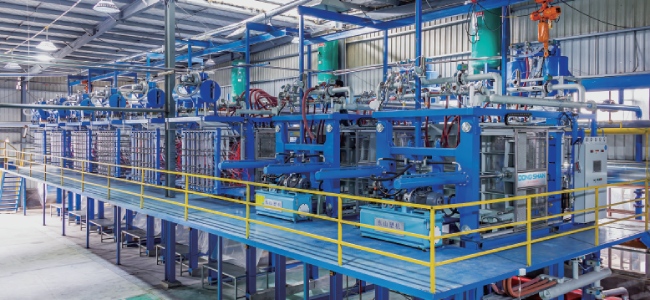
The EPS Fully Automatic K-Type Shape Molding Machine for Packaging and Insulation offers vacuum cooling and advanced controls to maximize yield.
4. Data-Based Model Comparison (Output vs. Cost)
Use simple charts to see how production and cost change across models. This makes it easier to choose the right solution for your budget.
💰 Practical Cost Control Tips for EPS Shape Molding Operations
Smart cost control starts with stable machines, trained staff, and clear tracking of steam, power, and raw material use.
Even small gains in cycle time and scrap reduction can sharply improve monthly profit and cash flow.
1. Optimize Energy and Steam Consumption
Adjust steam pressure and cycle time to match product density. Check valves and insulation often to avoid waste.
- Fix leaks quickly
- Use proper pre-expansion curves
- Record daily steam use
2. Reduce Scrap, Rework, and Downtime
Stable mold temperatures and clean vents limit shrinkage and cracks. Preventive maintenance avoids long, costly stoppages.
| Action | Cost Impact |
|---|---|
| Regular mold cleaning | Less scrap |
| Spare parts stock | Shorter downtime |
3. Choose Flexible Equipment to Avoid Future Upgrades
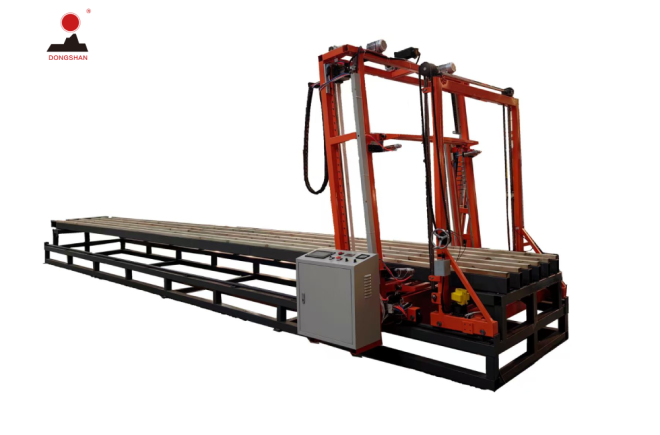
Adjustable block and vertical machines help you handle new sizes without buying extra lines or molds too soon.
The EPS Adjustable Block Molding Machine for Flexible Foam Production and EPS vertical block molding machine with vacuum both support size changes with strong energy savings.
🏭 How Dongshan Plastic Machinery Helps Reduce Long-Term Production Expenses
Dongshan focuses on reliable EPS machines that keep energy use low and uptime high, so plants protect profit over many years.
Strong engineering support and fast service also cut hidden ownership costs for global buyers.
1. Energy-Efficient Machine Design
Dongshan uses optimized piping, vacuum systems, and insulation to lower steam and power use per cubic meter of EPS foam.
- Shorter heating cycles
- Efficient vacuum pumps
- Smart PLC temperature control
2. Stable Quality and Less Rework
Accurate pressure and timing control give even density and clean edges, which lowers scrap and customer complaints.
| Benefit | Result |
|---|---|
| Stable density | Fewer rejects |
| Precise shapes | Less trimming |
3. After-Sales Support and Training
Guided installation, operator training, and remote help mean faster startup, fewer mistakes, and better productivity over time.
- Process tuning support
- Maintenance guidance
- Upgrade suggestions
📈 Budget Planning and ROI Calculation for EPS Shape Molding Investment
Plan your budget by looking at both total project cost and expected monthly profit. This helps you avoid cash flow stress.
ROI tools and simple payback formulas make it easier to compare different EPS machine options with real numbers.
1. Estimate Total Project Cost, Not Just Machine Price
Include molds, steam boiler, compressor, installation, building work, and training when you plan your investment.
| Item | Share of Budget |
|---|---|
| Machine | 40–60% |
| Utilities & molds | 30–40% |
| Others | 10–20% |
2. Use Simple Payback and ROI Formulas
Payback (years) = Total Investment ÷ Annual Net Profit. Lower payback and higher ROI signal a better EPS project choice.
- Compare two or more models
- Use realistic running hours
- Include maintenance cost
3. Plan for Scaling and Future Orders
Choose machines that can handle higher volume later. This avoids early replacement and protects long-term capital.
- Check max block size
- Allow for new product types
- Plan extra steam capacity
Conclusion
EPS shape molding machine prices depend on design, automation, and support, but real value comes from low running cost and stable output.
By tracking energy, scrap, and uptime, and by selecting flexible, efficient equipment, you can control expenses and reach a strong, predictable ROI.
Frequently Asked Questions about eps shape molding machine
1. What is an EPS shape molding machine?
An EPS shape molding machine heats and expands polystyrene beads inside a mold to form packaging, insulation boards, or custom foam parts.
2. How much does an EPS shape molding machine usually cost?
Entry standard models may start around a few tens of thousands of US dollars, while large, fully automatic vacuum systems can cost several hundred thousand.
3. What affects the operating cost the most?
Steam and power use, labor, mold change time, and scrap rate are the main factors influencing day-to-day EPS production cost.
4. Is a fully automatic machine always the best choice?
Not always. Full automation pays off when you have stable, high volume and higher labor costs. Small plants may prefer semi-auto lines.
5. How long is the typical payback period?
Many EPS projects reach payback in two to four years, depending on machine price, selling price of products, and plant utilization rate.

 Privacy settings