




Choosing an EPS pre expander can feel like speed‑dating with industrial machines: too big, too small, wrong density, and somehow always the one that crashes right before a big order.
This guide shows how to match capacity, energy use, and foam quality step‑by‑step, using proven selection criteria backed by ISO 22067 EPS processing standards.
⭐ Understanding EPS Pre Expander Working Principles and Core Components
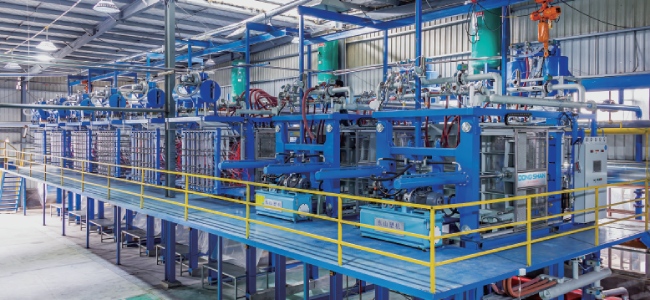
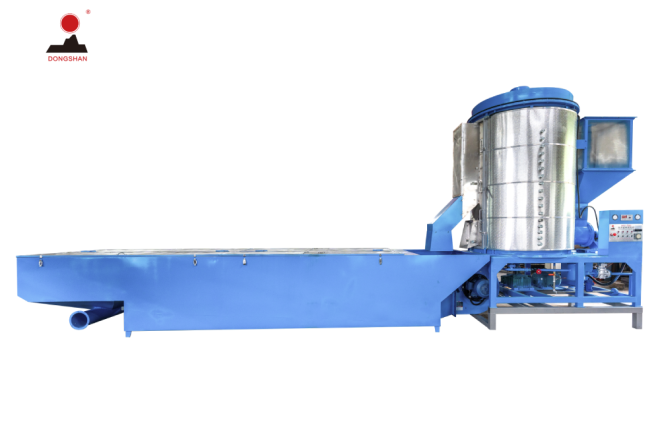
Choosing the right EPS pre expander starts with knowing how it works. The machine heats and expands raw beads, then stabilizes density for stable downstream molding.
Good design improves steam use, reduces bead damage, and keeps density uniform. This raises product quality and cuts cost in continuous factory production.
1. Basic Working Process
The pre expander uses steam to soften EPS beads. They expand in a chamber, then move to a fluidized bed for curing before storage.
- Steam heats beads evenly
- Density drops to target range
- Curing stabilizes cell structure
- Ready beads feed molding lines
2. Main Mechanical Components
Key parts include the expansion chamber, steam system, feeding and discharging units, and control valves that keep the process stable and repeatable.
| Component | Main Function |
|---|---|
| Expansion chamber | Holds beads during heating and expansion |
| Steam valves | Control steam flow and pressure |
| Level sensors | Monitor bead volume in chamber |
| Discharge system | Moves expanded beads to silos |
3. Control and Automation System
The PLC and HMI manage recipes, density targets, and alarms. Advanced models offer data logging and remote support to keep lines running smoothly.
- Touch screen recipe setting
- Automatic steam and feed control
- Real‑time density display
- Fault records and maintenance tips
4. Safety and Energy-Saving Design
Modern machines include pressure protection, temperature limits, and energy-saving steam systems to reduce waste and keep operators safe.
| Feature | Benefit |
|---|---|
| Safety valves | Prevent over‑pressure accidents |
| Insulated piping | Lower heat loss and steam cost |
| Auto stop modes | Cut power during idle time |
⚙️ Matching Pre Expander Capacity to Your Factory’s Production Requirements
Capacity planning must match daily output, product mix, and peak demand. Correct sizing avoids both bottlenecks and energy waste.
Use clear production data, including density range and shift schedule, to select machine size and automation level that fit real factory needs.
1. Analyzing Current and Future Output
Check current daily tons, product types, and seasonal peaks. Add a growth margin to avoid frequent upgrades and production stress later.
- Record average daily EPS use
- Note busiest months and orders
- Plan for 20–30% growth space
- Align with molding and cutting lines
2. Choosing Batch Size and Cycle Time
Batch size and cycle time define practical capacity. Short, stable cycles keep density steady and support continuous downstream feeding.
| Factor | Typical Range | Impact |
|---|---|---|
| Batch volume | 0.6–1.2 m³ | Higher volume, fewer cycles |
| Cycle time | 6–12 min | Faster response to demand |
| Daily cycles | 60–150 | Defines total daily output |
3. Capacity Comparison Chart (Sample)
Use basic data analysis tools to compare models by hourly and daily output, then match them to your planned production scenario.
4. Single-Line vs Multi-Line Configuration
Decide if one larger pre expander or two medium units better fits your risk level, layout, and order structure.
- One big line: lower labor, simpler control
- Two lines: redundancy and flexible recipes
- Match to molding machine count
📏 Key Technical Parameters: Density Control, Steam Consumption, and Efficiency
Key technical points are density accuracy, steam use per kilogram, and overall cycle efficiency, which directly affect cost and product quality.
Study real data, not only catalog values, and ask for actual customer cases in similar factories.
1. Density Range and Tolerance
Check if the machine can cover your whole density range and keep variation low across batches and seasons.
| Parameter | Target |
|---|---|
| Density range | 8–40 kg/m³ (typical) |
| Density tolerance | ±2–3% |
| Repeatability | Stable across shifts |
2. Steam and Electricity Consumption
Steam and power cost make up most running expense. Energy‑saving valves and smart control lower cost per kilogram of EPS.
- Compare kg steam per kg EPS
- Check pump and motor efficiency
- Ask for real measured data
3. Overall Production Efficiency
High efficiency means short cycles, few stops, and low scrap. This improves delivery time and frees capacity without more machines.
- Automatic cleaning and de‑dusting
- Fast recipe changeover
- Low bead breakage rate
🏭 Evaluating Factory Layout, Automation Level, and Maintenance Convenience
The right EPS pre expander must fit your plant space, flow of material, and automation level to avoid hidden costs later.
Plan hopper, silo, and molding positions together for smooth bead movement and safe, clean operation.
1. Layout and Material Flow
Design straight and short paths from raw bead bags to silos and molding machines to cut handling time and dust.
| Area | Layout Focus |
|---|---|
| Feeding zone | Easy bag unloading and storage |
| Pre expander area | Safe access and clear space |
| Silo section | Right height and capacity |
2. Automation and Integration Level
Decide between semi and fully automatic operation based on labor cost, skill level, and quality consistency needs.
- Automatic feeding and weighing
- Link to molding machine signals
- Central control room options
3. Maintenance, Spares, and Service
Choose equipment with easy access to key parts, local spares, and clear manuals to reduce downtime.
- Front access to valves and sensors
- Standard parts and fittings
- Remote support and training
🏆 Why Dongshan Plastic Machinery Is Ideal for Your EPS Pre Expander Needs
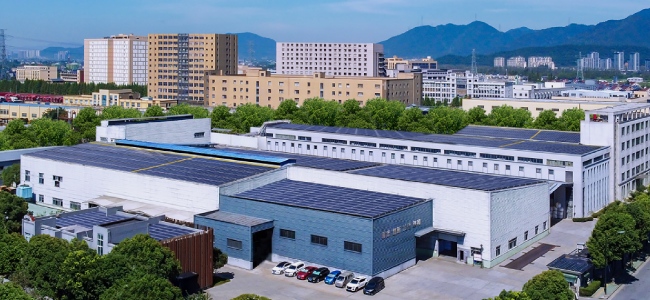
Dongshan offers proven EPS pre expanders with strong density control, low steam use, and flexible automation options tailored to different factory sizes.
They provide engineering support, installation guidance, and long‑term service to help you keep stable quality and controlled costs.
1. Comprehensive Product Line
From entry to high‑end models, Dongshan covers simple lines and advanced smart factories with stable, efficient EPS solutions.
- Fully Automatic EPS Pre-Foaming Machine High Efficiency Intelligent Model for large, automated plants
- EPS Intelligent Automatic Pre-Expander with Precise Material Control for strict density and recipe needs
- EPS advanced type automatic pre-expander for upgraded capacity and efficiency
2. Stable Performance and Energy Savings
Dongshan machines focus on tight density control, optimized steam circuits, and robust structure, which support long‑term, stable mass production.
| Advantage | Result |
|---|---|
| Precise control | Less rework and scrap |
| Energy optimization | Lower steam and power bills |
| Durable build | Reduced unexpected shutdowns |
3. Engineering Support and Customization
Experts can help design layouts, select models, and fine‑tune recipes to match your products and local steam and power conditions.
- On‑site layout advice
- Recipe and density tuning
- Operator training programs
Conclusion
The right EPS pre expander depends on working principles, capacity, and key technical data such as density, steam use, and efficiency.
By matching machine features with your layout, automation level, and support needs, you can build a stable, cost‑effective EPS production line.
Frequently Asked Questions about eps pre expander
1. What is an EPS pre expander?
An EPS pre expander is a machine that uses steam to expand raw EPS beads to a set density before molding. It prepares beads for stable, light products.
2. How do I choose the right capacity?
Start with your daily EPS use, density range, and peak orders. Then select a model that covers these needs with about 20–30% extra margin.
3. Why is density control so important?
Density affects strength, weight, and surface finish. Poor control leads to uneven blocks, more scrap, and higher material cost per finished product.
4. How much steam does a pre expander use?
Steam use varies by model, density, and settings. Always compare kg steam per kg EPS from real running data, not only brochure values.
5. How long does installation and training take?
For a standard line, installation and basic training usually take several days, depending on plant readiness, utility connections, and operator experience.

 Privacy settings