





Shopping for an EPS foam molding machine can feel like speed‑dating with robots—too many specs, mystery prices, and sales reps who “promise everything” but never send a clear quote.
This price guide cuts the confusion, explains real cost drivers, and helps you benchmark quotes using data-backed insights from Grand View Research’s EPS market report.
✅ Key factors influencing EPS foam molding machine pricing
EPS foam molding machine prices depend on machine size, automation level, energy use, and after-sales service. Buyers should match budget to real production needs.
Clear targets on product size, density, and daily output help you select the right EPS molding machine and avoid both under-investment and over-investment.
1. Machine size and clamping force
Larger platens and higher clamping force cost more but handle bigger or multi-cavity molds. This directly affects cycle time, part size, and total output.
- Small machines: lower price, ideal for start-ups and simple packaging
- Medium machines: balance cost and output for most factories
- Large machines: higher investment, best for high-volume insulation blocks
2. Automation and control system
Advanced PLC control, touch screens, and remote monitoring raise the purchase price but reduce labor cost and scrap rate over the machine life cycle.
| Feature | Cost Impact | Main Benefit |
|---|---|---|
| Auto demolding | Medium | Faster cycles |
| Smart recipes | Low–Medium | Stable quality |
| Remote service | Medium | Less downtime |
3. Energy efficiency and vacuum system
Efficient steam lines, insulation, and advanced vacuum systems cut long-term utility costs. They can justify a higher initial machine price in busy plants.
- High-Efficiency Central Vacuum System for EPS Production helps stabilize density and drying time
- Lower steam and power use per block or part
4. Service, warranty, and spare parts
Reliable after-sales support, local stock of parts, and technician training lower total cost of ownership even if the quoted machine price is slightly higher.
- Fast reaction reduces production loss
- Clear warranty terms avoid hidden expenses
💰 Price differences between automatic and semi-automatic EPS foam machines
Automatic EPS foam molding machines cost more than semi-automatic models but save labor and improve efficiency. Buyers should compare five-year total cost, not only purchase price.
Consider local labor rates, shift patterns, and quality demands before you decide which level of automation suits your factory’s long-term plan.
1. Typical price ranges and applications
Automatic models fit high-volume factories, while semi-automatic machines work well for flexible orders or lower budgets.
| Type | Typical Use | Relative Price |
|---|---|---|
| Automatic | Mass packaging, insulation boards | High |
| Semi-automatic | Custom shapes, small runs | Medium |
2. Sample data comparison (investment vs labor)
The chart below shows a simple comparison between semi-automatic and fully automatic EPS machines in terms of price and yearly labor cost.
3. Operating cost and break-even time
Automatic machines usually recover their higher cost in 2–4 years through lower labor and higher throughput, especially in two or three-shift operations.
- Fewer operators per line
- Lower scrap rate
- More stable density and shape
4. Choosing between automatic and semi-automatic
Match automation level to order volume, product mix, and staff skills. Many buyers start with semi-automatic and upgrade to fully automatic as the market grows.
- Plan expansion paths in advance
- Check upgrade options with the supplier
📊 How machine capacity and output affect overall investment cost
Machine capacity, cycle time, and daily output strongly influence EPS molding machine price and total plant investment, including steam, air, and layout.
Right-sizing your capacity prevents idle machines and lost orders, keeping the payback period under control.
1. Linking capacity to daily order volume
First, calculate average and peak daily demand, then choose a machine that covers peak needs with some safety margin.
| Daily Output Need | Suggested Machine Level |
|---|---|
| Low (<100 m³) | Small–medium EPS molding machine |
| Medium (100–300 m³) | Standard automatic machine |
| High (>300 m³) | Large, high-speed automatic line |
2. Cycle time, scrap rate, and real capacity
Nominal capacity often differs from real output. Steam quality, mold design, and operator skill all affect how many good parts you ship each day.
- Shorter cycles = more annual output
- Lower scrap = higher effective capacity
3. Balancing upfront cost and long-term growth
Buying slightly more capacity than you need now can support future orders without another full investment, if utilities and space allow.
- Check expansion needs for 3–5 years
- Plan for extra molds and shifts
⚙️ Cost impact of mold design, customization, and auxiliary equipment
Mold complexity, product tolerance, and needed auxiliary systems often equal or exceed the core EPS molding machine price over time.
Accurate mold planning and smart auxiliary selection reduce waste, downtime, and running costs.
1. Mold complexity and material
Precision molds with many inserts, complex vents, or tight tolerances cost more but improve product fit, surface finish, and downstream assembly.
| Mold Type | Relative Cost | Typical Use |
|---|---|---|
| Simple single cavity | Low | Basic packaging blocks |
| Multi-cavity | Medium | Small EPS parts |
| High-precision custom | High | Appliance, electronics packaging |
2. Customization for packaging and insulation
Special shapes for appliances, cold-chain, and building insulation may require more trials but let you serve higher-value niches with better margins.
- EPS Fully Automatic K-Type Shape Molding Machine for Packaging and Insulation suits varied insulation and packaging needs
- Custom logos and surface textures add branding value
3. Auxiliary systems and line integration
Pre-expanders, silos, conveyors, and cutting units add to the total investment but unlock higher throughput and more stable density control.
- Budget for silo storage and aging rooms
- Plan steam, air, and water systems together with machine purchase
🏭 Why Dongshan Plastic Machinery is a cost-effective choice for buyers
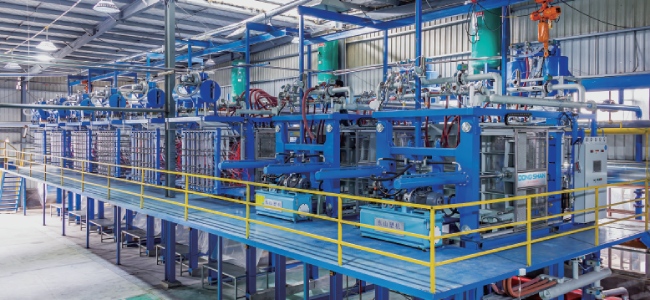
Dongshan Plastic Machinery offers EPS molding solutions that balance price, output, and energy efficiency, helping buyers reach stable quality and fast payback.
Its product range covers both flexible and high-volume needs for packaging and insulation projects.
1. Wide product range for different budgets
From starter lines to advanced automatic machines, Dongshan helps you pick models that match your budget and market stage.
- X-B Series Fully Automatic EPS Shape Molding Machine for high-speed, stable mass production
- Options for semi-automatic and customized lines
2. Focus on energy saving and stable output
Optimized steam circuits, insulation, and vacuum solutions cut running costs and support consistent EPS density and bonding strength across batches.
| Feature | Buyer Benefit |
|---|---|
| Efficient steam use | Lower utility bills |
| Reliable controls | Reduced scrap |
3. Technical support and long-term partnership
Dongshan offers layout advice, installation guidance, operator training, and spare parts service to keep your EPS plant running with less downtime.
- Support for process optimization
- Help with new product and mold development
Conclusion
EPS foam molding machine prices depend on capacity, automation, molds, and auxiliary systems. Buyers should focus on total cost of ownership, not just the initial offer.
By planning capacity, energy use, and product mix, and by working with suppliers like Dongshan, you can build a stable, profitable EPS production line.
Frequently Asked Questions about eps foam molding machine
1. How much does an EPS foam molding machine usually cost?
Prices often start around the tens of thousands of US dollars for smaller semi-automatic models and rise for large, fully automatic, high-output machines with custom options.
2. What information should I prepare before asking for a quote?
Share product dimensions, target density, daily or monthly output, available plant space, power and steam conditions, and your budget range to get an accurate quote.
3. How long is the normal payback period?
Most EPS molding projects reach payback in about two to four years, depending on product value, machine utilization, and local labor and energy costs.
4. Do I need a fully automatic machine for small orders?
Not always. For low or unstable volumes, a good semi-automatic machine can be more cost-effective and still deliver solid quality and flexibility.
5. How do I control running costs after installation?
Maintain stable steam and vacuum, use quality raw EPS, service molds and valves regularly, train operators, and track scrap rate and energy use each month.

 Privacy settings