




Shopping for an EPS shape molding machine in 2025 feels like haggling for a spaceship—mysterious specs, secret prices, and sales reps who answer questions with new questions.
This price guide breaks costs into clear steps, backed by market data from Grand View Research, so you can compare machines, plan budgets, and negotiate with confidence.
✅ Key Factors Influencing EPS Shape Molding Machine Prices in 2025
EPS shape molding machine prices in 2025 depend on machine size, automation, energy use, and production needs. Clear planning helps avoid overpaying for unused capacity.
Buyers should compare total ownership cost, not only the initial quote. Consider maintenance, uptime, and spare parts when planning your EPS investment.
1. Production Capacity and Molding Size Range
Larger molding sizes and higher output rates usually mean higher prices. Match machine capacity to your real order volume and product size.
- Small machines: lower price, suited to startups
- Medium machines: balanced cost and flexibility
- Large machines: higher cost, ideal for mass production
2. Energy Efficiency and Steam Consumption
Steam and power use strongly affect long-term cost. Modern EPS machines save energy with smart steam control and better insulation.
- Low steam use reduces per-block cost
- Efficient vacuum systems shorten cycle time
- Energy savings often offset a higher purchase price
3. Automation Level and Labor Savings
Higher automation often raises the initial price but cuts labor needs. It also improves product consistency and reduces human error.
| Automation | Investment | Labor Need |
|---|---|---|
| Semi-auto | Low | High |
| Fully auto | Medium–High | Low |
4. Brand, After-Sales Service, and Spare Parts
Reliable brands often cost more but reduce downtime and repair risk. Global support and fast spare delivery protect your output.
- Check local service teams and response time
- Confirm spare parts stock and lead time
- Evaluate real user reviews and case studies
⚙️ How Machine Configuration and Automation Level Affect Overall Cost
Configuration choices, like frame strength, control system, and vacuum setup, greatly influence price, output quality, and daily running cost.
Plan your EPS plant layout, mold change needs, and shift pattern first, then select matching options to avoid waste.
1. Core Structure, Frame, and Build Quality
Stronger frames handle higher pressure, reduce deformation, and extend machine life, which lowers cost per part over the machine’s lifetime.
- Heavy-duty frames for 24/7 work
- Corrosion-resistant parts for wet areas
- Rigid platens keep product size stable
2. Control System, PLC, and Sensors
Advanced PLC control allows fine steam, cooling, and filling control. This reduces scrap rate and improves product density accuracy.
| Control Level | Price Impact | Benefit |
|---|---|---|
| Basic PLC | Low | Simple tasks |
| Advanced PLC + HMI | Higher | Fine tuning, data logs |
3. Automation Options: Demolding, Stacking, and Conveyors
Adding auto demolding, stacking, and conveyors raises the quote but lowers labor and speeds up your EPS production flow.
- Automatic eject and stacking reduce damage
- Conveyors link with cutting and packing lines
- Robotic handling fits high-output plants
4. Sample Cost Comparison by Automation Level
The chart below shows a simple sample comparison of estimated total cost index by automation level for 2025 buyers.
📈 2025 Market Trends in EPS Shape Molding Machine Pricing
In 2025, EPS machine prices stay stable overall, with a mild rise for high-efficiency and high-automation models.
Green production, fast delivery, and flexible molds drive purchase decisions more than simple low price.
1. Shift Toward Fully Automatic EPS Lines
More buyers move from semi-auto to fully automatic lines as labor costs rise and quality demands tighten in packaging and insulation markets.
- Higher demand for automatic filling and ejection
- Shorter cycle time per mold
- Lower operator skill requirement
2. Growing Demand for Energy-Saving Solutions
Energy prices push factories to adopt machines with better steam systems and vacuum cooling, even at slightly higher purchase prices.
| Feature | Trend |
|---|---|
| Steam optimization | Strong demand |
| Heat recovery | Growing interest |
3. Impact of Global Supply Chain and Lead Time
Shipping and component lead times affect final price and project timing. Planning three to six months ahead reduces urgent freight costs.
- Check delivery schedules before budgeting
- Allow time for installation and training
🏭 Comparing New vs. Refurbished EPS Shape Molding Machines Cost
New EPS machines cost more upfront but give longer service life, better energy savings, and stronger automation choices.
Refurbished units reduce initial spending but often need more maintenance, spare parts, and downtime.
1. Initial Investment vs. Long-Term Running Cost
When you compare new and refurbished, review power use, steam use, and parts life, not only the invoice price.
| Type | Initial Cost | Running Cost |
|---|---|---|
| New | High | Low–Medium |
| Refurbished | Low | Medium–High |
2. Reliability, Uptime, and Product Quality
New machines offer stable performance and better part accuracy, which is key for strict insulation or EPS packaging customers.
- Less unplanned downtime
- Stronger support for new molds
- Smoother integration with auto lines
3. When Refurbished Machines Make Sense
Refurbished machines may suit small plants with limited budgets or low yearly output, where payback time is less sensitive.
- Short-term projects
- Trial production lines
⭐ Why Dongshan Plastic Machinery Is a Cost-Effective Choice in 2025
Dongshan focuses on stable quality, efficient steam systems, and user-friendly controls, helping buyers lower total EPS production cost.
The company offers a full range, from compact models to advanced automatic lines for high-output factories.
1. Wide Range of Automated EPS Shape Molding Machines
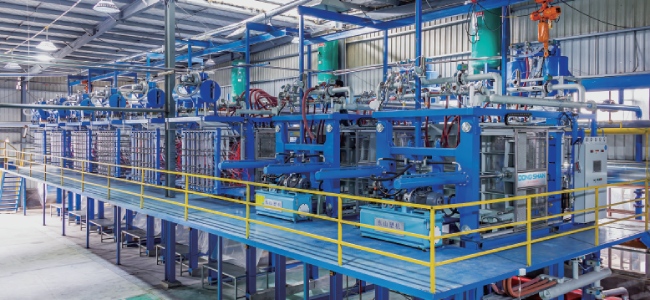
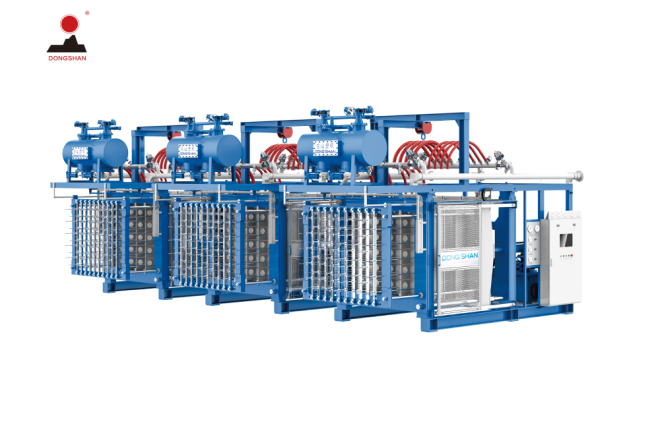
The X-B Series Fully Automatic EPS Shape Molding Machine supports precise molding, fast cycles, and stable density for packaging and construction products.
- Optimized for continuous work
- Friendly interface for operators
2. Proven Models for Different Capacity Levels
The EPS fully automatic X-B type shape molding machine and similar models cover small, medium, and large mold sizes with strong vacuum and steam control.
- Flexible configuration options
- Suitable for varied EPS product lines
3. Strong Value for Packaging and Insulation Markets
The EPS Fully Automatic K-Type Shape Molding Machine for Packaging and Insulation offers high efficiency and stable quality, ideal for mass EPS box and insulation board producers.
- Good balance of cost and output
- Easy integration with cutting and packing lines
Conclusion
EPS shape molding machine prices in 2025 depend mainly on size, automation, and energy performance. New, efficient machines can cut long-term costs, even with a higher starting price.
By comparing capacity, energy use, and support, buyers can select reliable models that secure stable EPS production and fast return on investment.
Frequently Asked Questions about eps shape forming machine
1. What is an EPS shape molding machine?
An EPS shape molding machine heats, expands, and molds EPS beads into fixed shapes, such as boxes, panels, corner protectors, and insulation parts.
2. How much does an EPS shape molding machine cost in 2025?
Prices vary widely by size and automation. Entry models may start in the tens of thousands of dollars, while large, fully automatic lines cost more.
3. What affects the running cost of an EPS machine?
Main factors are steam and power use, labor, mold change time, maintenance, and unplanned downtime caused by low-quality parts or poor service.
4. How long is the typical payback period?
For many factories, payback is about two to four years, depending on daily output, selling price of EPS products, and energy efficiency.
5. Should I choose a fully automatic EPS shaping machine?
If you face high labor costs, strict quality demands, or plan large output, a fully automatic EPS machine usually provides better long-term value.

 Privacy settings