





Choosing an EPS foam packaging machine can feel like dating apps for factories: too many options, confusing specs, and you’re never sure if the “perfect match” will ghost your budget or your production line.
To fix this, list your product sizes, output needs, and budget, then compare machine capacity, automation level, and energy use side by side—backed by data like this OECD packaging report to guide long-term, cost-effective choices.
✅ Understanding key types of EPS foam packaging machines and applications
Choosing the right EPS foam packaging machine starts with knowing machine types, cycle speeds, and main uses. Match machine design to your target products and packing goals.
Think about part size, wall thickness, and product mix. The right EPS machine will reduce defects, lower steam use, and keep your packaging lines stable.
1. Shape molding machines for custom EPS packaging
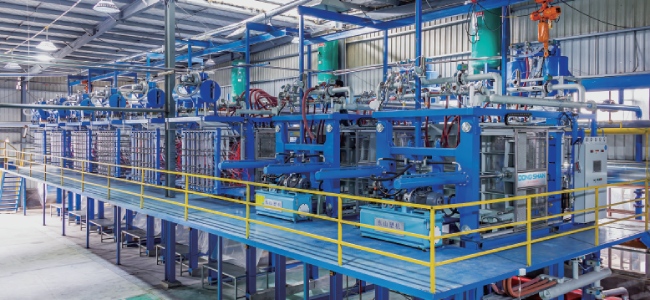
Shape molding machines create trays, corner protectors, and insulation blocks. They form EPS beads inside molds using steam, pressure, and cooling for strong, accurate parts.
- Best for: electronics, appliances, fragile goods
- Key benefit: high design freedom
- Tip: consider quick mold change options
2. Block molding machines for cutting and CNC processing
Block molding machines produce large EPS blocks that you later cut or mill. They offer high output and flexible downstream processing.
| Feature | Benefit |
|---|---|
| Large block size | Feeds many product sizes |
| Uniform density | Better cutting quality |
3. Fully automatic machines for high-volume plants
Fully automatic lines reduce manual work, stabilize density, and support 24/7 production. Ideal for plants serving automotive, building, or export packaging clients.
- Automatic feeding and ejection
- Central steam and vacuum control
- Lower labor per ton of EPS
4. Specialized models for fast mold changes
For frequent product changes, choose machines that switch molds quickly. This saves time, reduces downtime, and increases daily output on mixed orders.
- Hydraulic or mechanical quick-clamp
- Preset recipes for each mold
- Ideal for short-run, high-mix orders
⚙️ Matching machine capacity with production volume and product dimensions
Capacity planning should follow your monthly tonnage, average part size, and order structure. A machine that is too small or too large will waste money.
Analyze peak season demand, mold cavity layout, and cycle times. Use simple data tools or charts to predict how many machines you truly need.
1. Estimating daily output needs
Start from total monthly orders and convert to daily kilograms or pieces. Add a safety margin for rush jobs and unplanned downtime.
- Define target kg/day
- Check average machine kg/hour
- Plan for at least 10–15% reserve
2. Matching platen size to maximum product dimensions
Measure your largest parts and choose platen and stroke with margin. Allow room for runners, vents, and future, slightly larger designs.
| Check Item | Recommendation |
|---|---|
| Part length/width | Add 10–15% extra |
| Part height | Match with stroke range |
3. Balancing cycle time and mold cavities
Faster cycles with more cavities improve output, but also raise steam demand. Confirm your boiler and compressor can support the chosen setup.
- Track real cycle time, not only brochure data
- Optimize filling to avoid short shots
- Check cooling limits for thick parts
4. Planning for future growth
Choose machines that can add more molds, automation, or higher-density EPS grades later. This keeps your investment useful for many years.
- Reserve space for extra machines
- Standardize utilities (steam, air, power)
- Use scalable control and recipe systems
🧪 Evaluating molding quality, precision, and material utilization efficiency
Good EPS foam packaging should show stable density, clean edges, and minimal waste. Focus on mold control and bead handling to reduce costs.
Check sample parts under real loading conditions. Simple quality tests will quickly reveal if your chosen machine meets customer requirements.
1. Dimensional precision and repeatability
Stable platen movement and accurate pressure control keep part sizes consistent. This helps avoid assembly issues and complaint returns.
| Quality Metric | Target |
|---|---|
| Size tolerance | ±0.5–1.0 mm (typical) |
| Density variation | < 3–5% |
2. Surface finish and bonding quality
Look for uniform bead fusion, strong corners, and no visible voids. Steam, vacuum, and cooling balance decide final surface quality.
- Check corner strength
- Inspect thin ribs and logos
- Test impact resistance on edges
3. Reducing scrap rate and raw material waste
Improved filling, venting, and mold design cut scrap. A well-tuned machine also reduces energy use per kilogram of finished EPS.
- Monitor scrap percentage by shift
- Optimize pre-expansion density
- Re-use clean regrind where allowed
🛡️ Safety features, reliability, and maintenance requirements to prioritize
Safe and reliable EPS foam packaging machines protect staff, cut downtime, and keep quality stable over years of continuous use.
Inspect key safety systems and the ease of daily checks. Better designs simplify maintenance and reduce total lifetime cost.
1. Essential operator safety functions
Check for interlocks, light curtains, and safe guarding around moving platens. Clear alarms and emergency stops are also important.
- Door interlocks on mold area
- Emergency stop buttons at key spots
- Pressure and temperature safety limits
2. Reliability of steam, vacuum, and hydraulic systems
Strong piping, valves, and seals reduce leaks and unstable cycles. This directly affects density, surface finish, and uptime.
| System | What to Check |
|---|---|
| Steam | Quality of valves and insulation |
| Vacuum | Pump size and leak tightness |
| Hydraulics | Oil cooling and filter access |
3. Ease of maintenance and spare parts support
Choose machines with good access to wear parts and clear manuals. Strong local support shortens any unplanned downtime.
- Front access to valves and sensors
- Standard, easy-to-source components
- Remote technical support options
🏭 When to choose Dongshan Plastic Machinery for stable long-term performance
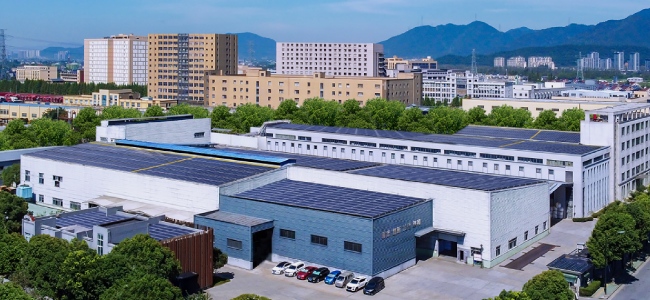
Dongshan Plastic Machinery offers advanced EPS solutions that fit high-volume, high-precision packaging needs while keeping energy and labor costs under control.
Their machines support flexible molds, fast changes, and stable molding conditions, making them suitable for both new plants and upgrades.
1. High-mix production with frequent mold changes
When you run many product sizes daily, a New type Quick mold changing machine helps cut setup time and increase effective working hours.
- Frequent product changeovers
- Short-run orders for many clients
- Need to reduce unproductive downtime
2. Fully automatic lines for packaging and insulation
For large plants, the EPS Fully Automatic K-Type Shape Molding Machine for Packaging and Insulation delivers stable density control and low scrap rates.
| Advantage | Result |
|---|---|
| Auto vacuum and steam control | Better fusion quality |
| Efficient energy use | Lower operating cost |
3. Demanding projects needing flexible performance
If you handle complex shapes and tight tolerances, the EPS fully automatic X-B type shape molding machine offers strong, flexible performance for long-term reliability.
- High precision jobs
- Export-grade packaging quality
- Need for 24/7 stable running
Conclusion
Choosing the right EPS foam packaging machine means balancing capacity, quality, safety, and long-term cost. Start from your real product mix and growth plans.
Compare machine features, support, and energy use before investing. Well-chosen EPS machines will protect your products, satisfy clients, and secure profits for many years.
Frequently Asked Questions about eps foam packaging machine
1. What factors matter most when selecting an EPS foam packaging machine?
Focus on product size range, daily output, molding quality, energy use, and safety features. Also check after-sales support and spare parts availability in your region.
2. How do I know if I need a fully automatic EPS machine?
If your plant runs high volumes, multiple shifts, or strict quality standards, a fully automatic EPS machine usually gives better consistency and lower labor costs.
3. How long does an EPS foam packaging machine typically last?
With correct maintenance and quality steam and air supply, a good EPS machine can run 10–15 years or more while keeping reliable performance.
4. Can one machine handle many different EPS packaging products?
Yes, if you design and manage molds well. Choose machines that support quick mold changes, recipe storage, and strong process control to handle many products.
5. How can I reduce energy use in EPS packaging production?
Use efficient boilers, keep steam lines insulated, optimize cycle times, and maintain vacuum systems. Modern automatic EPS machines help cut steam and power per kilogram.

 Privacy settings